
The People Who Live Next Door: How Plowshares’ Community Engagement Managers Are Cultivating Real Friendship
There’s a quiet crisis running through modern life that doesn’t make many headlines: people are lonelier than ever, and the places we live — our neighborhoods, our apartment communities — too often do nothing about it.
Most property management companies don’t think it’s their job to address that. Plowshares does.
That’s one of the background reasons we created the role of Community Engagement Manager — and why the people who fill that role don’t just work in our communities. They live in them.
What Is a Community Engagement Manager?
A Community Engagement Manager (CEM) is a Plowshares team member who lives on-site in the apartment community they serve. They conduct regular in-home inspections, checking on maintenance conditions and making sure units stay in good shape. On paper, that’s a standard property management function.
But the way a CEM does it is anything but standard.
A CEM isn’t just a staff member doing a walkthrough. They’re a neighbor making a visit. Because they live in the same community, they show up not as a corporate representative but as someone who shares the same hallways, the same parking lot, the same morning routines. That proximity changes everything about the interaction.
Where a routine inspection from an outside vendor can feel transactional or intrusive, a visit from a CEM feels like what it actually is: a neighbor checking in.
How an Inspection Becomes a Seed
In agriculture, you don’t harvest what you never planted. The same is true of friendship.
Most people living in apartment communities want connection — they want to know their neighbors, feel welcomed, belong to something larger than their unit number. But the conditions for that kind of friendship rarely exist on their own. Someone has to create them. Someone has to show up first, consistently and warmly, until trust takes root.
That’s exactly what a CEM’s inspection visit does. It plants a seed.
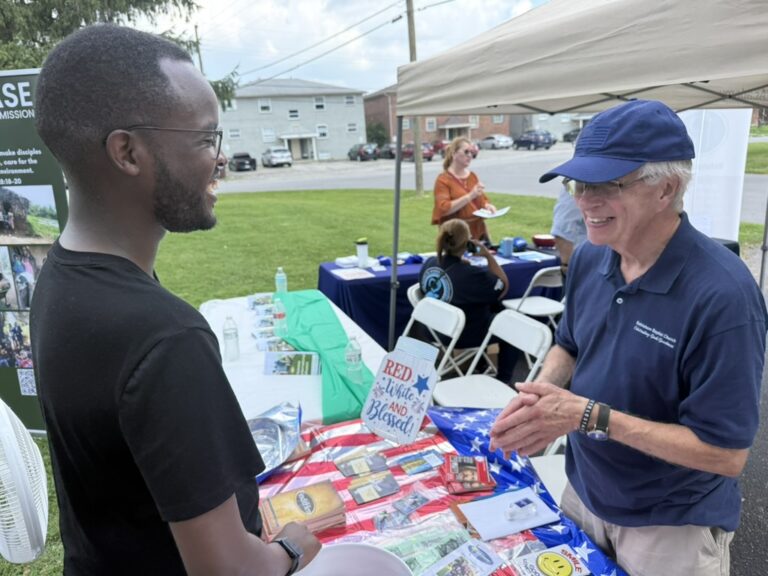
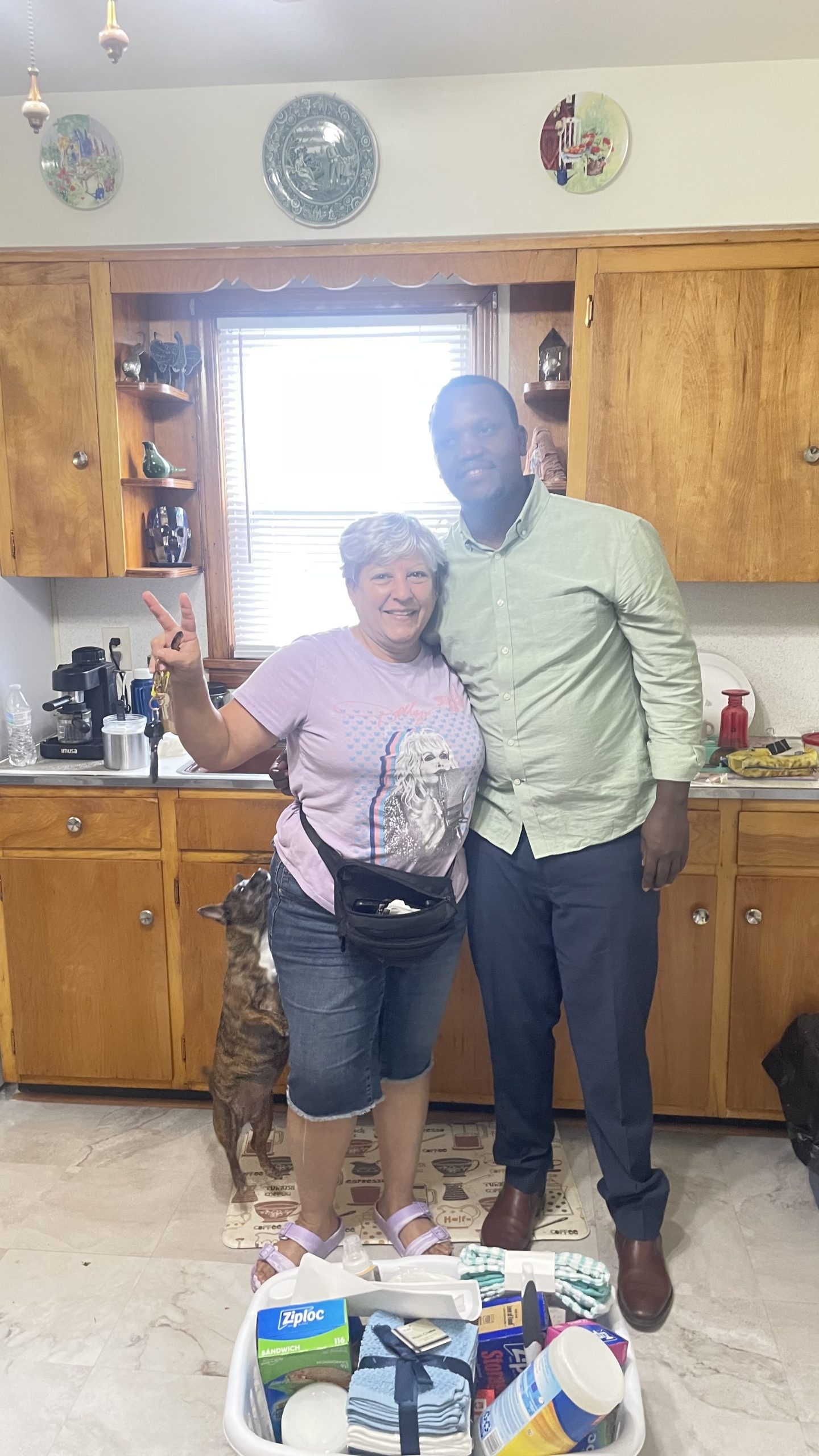
When Augustine knocks on a door to check a smoke detector or furnace filter, something else is happening at the same time: a face becomes familiar. A name gets learned. A resident who might otherwise go months without a real conversation with anyone in their building suddenly has someone who knows them — who asks how they’re doing and actually waits for the answer.
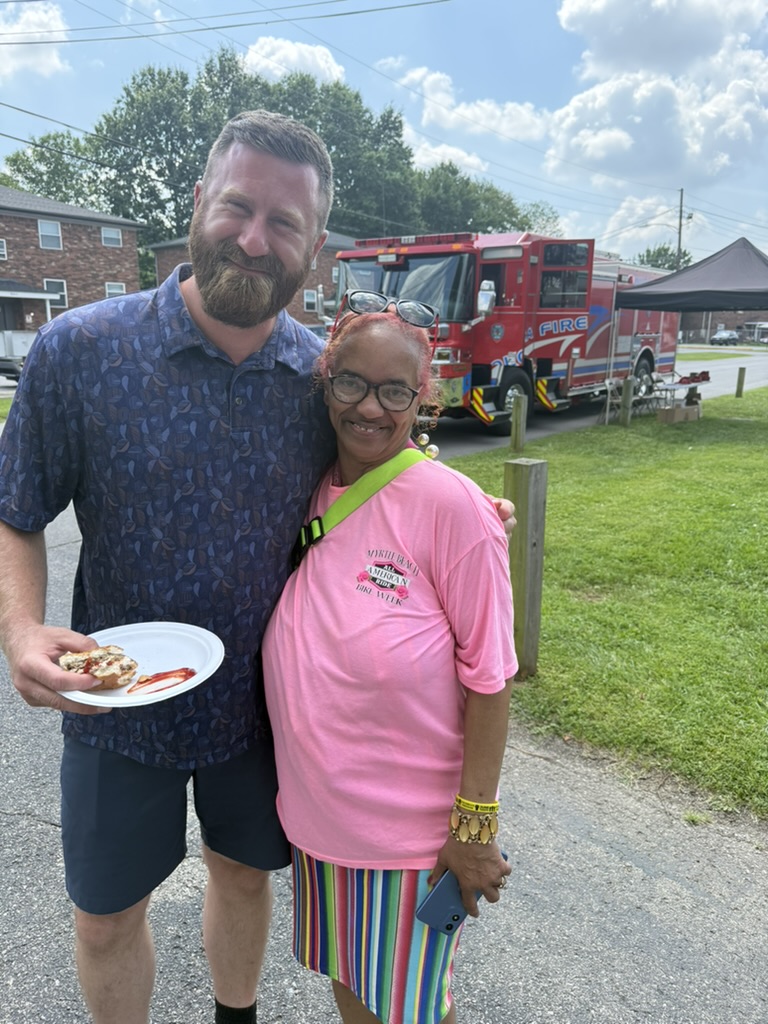
These are small gestures. But small gestures, repeated consistently over time, are how friendships are cultivated. Not in grand moments, but in the ordinary ones — a warm greeting in the parking lot, a follow-up on something a resident mentioned last month, a willingness to just be present without rushing to the next task on the list.
The inspection is the occasion. The relationship is the point.
Friendly, Hospitable, Welcoming — By Design
Plowshares selects CEMs specifically for their warmth. The qualities that matter most for this role aren’t just operational competence — they’re the human qualities that create a welcoming environment: friendliness, genuine hospitality, the ability to make people feel at ease.
Augustine embodies this. He is perhaps the friendliest and most welcoming person I’ve ever met. His wife and young son are eager to connect with their neighbors and often invite them over for a meal and longer converstaions
Fernando brings the same quality to his community. Sharing the same culture and first language of most of his neighbors, Fernando knows the dynamics of his community and is eager to connect with everyone who moves in.
This isn’t accidental. We hire for it because we believe the atmosphere of a community — whether it feels warm or cold, connected or isolated — is largely shaped by the people who show up in it consistently. A CEM who is genuinely glad to see their neighbors creates a context where other residents feel more permission to be glad to see each other too.
Hospitality is contagious. When it’s modeled consistently by someone residents trust, it spreads.
Cultivating More Than a Property
Plowshares’ tagline is “Cultivating Holistic Wellbeing through real estate.” The word cultivating is deliberate.
Cultivation is an agrarian concept. It describes the patient, attentive work of preparing soil, planting seeds, and creating the conditions for something living to grow. A farmer doesn’t manufacture crops — they tend to the environment until the crop can thrive on its own. The work is slow, relational, and deeply invested in what happens over time, not just in the immediate transaction.
That’s the model we’re applying to community.
We’re not trying to manufacture friendship in our apartment communities. We’re trying to cultivate the conditions where friendship can take root naturally — where residents have consistent, warm points of contact with people who know their names, where a visit to check on a faucet can turn into a real conversation, where the ordinary rhythms of shared life in a building become occasions for genuine human connection.
The CEM role is one of the most concrete expressions of this conviction. It represents a choice to invest in something that doesn’t show up on a profit-and-loss statement but shows up in the lives of real people — in the resident who has a friend in their building for the first time, in the community that feels like a place worth caring about, in the neighborhood that’s more stable because the people in it actually know each other.
Why This Matters Beyond Property Management
Research consistently shows that social connection is one of the strongest predictors of physical and mental health, life satisfaction, and even longevity. People who have close friendships and feel embedded in a community simply do better — on every measure that matters.
Housing is where most of us spend the majority of our time. The environment a property management company creates — whether it fosters connection or discourages it — has real consequences for the people living there.
We believe property management done well is a form of community development. And community development, at its most basic level, is about creating the conditions for people to grow together. CEMs are how Plowshares puts that belief into practice, one door at a time.
What is a Community Engagement Manager in property management?
A Community Engagement Manager (CEM) is a Plowshares property management team member who lives on-site in the apartment community they serve. They conduct regular in-home inspections while also building genuine relationships with residents as neighbors and friends — creating a warmer, more connected community environment.
How do Community Engagement Managers differ from regular property managers?
Traditional property managers often work off-site and interact with residents primarily around transactional needs — maintenance requests, lease renewals, complaints. A CEM lives in the community they manage, which means their relationship with residents is built on proximity, familiarity, and consistent personal contact rather than transaction-based interactions.
Why does Plowshares Management have on-site Community Engagement Managers?
Plowshares believes that holistic wellbeing — not just functional housing — is the goal of good property management. CEMs are the most direct expression of that belief: by living in and actively engaging with the communities they serve, they create the conditions for genuine friendship and connection among residents, which research shows is essential to human flourishing.
What does a Community Engagement Manager do during an apartment inspection?
A CEM conducts standard maintenance and condition checks during inspections — smoke detectors, furnace filters, leaky plumbing, general unit condition — but approaches those visits relationally. Because they live on-site and know residents personally, an inspection visit is also an opportunity to check in, learn what’s going on in a resident’s life, and deepen the trust that makes a community feel like home.
Does having a Community Engagement Manager benefit property owners?
Yes. We think communities with higher resident engagement tend to have lower turnover, better property care, and more stable occupancy. When residents feel connected to where they live and to the people managing their home, they’re more likely to stay, more likely to report issues early, and more likely to treat the property with care.